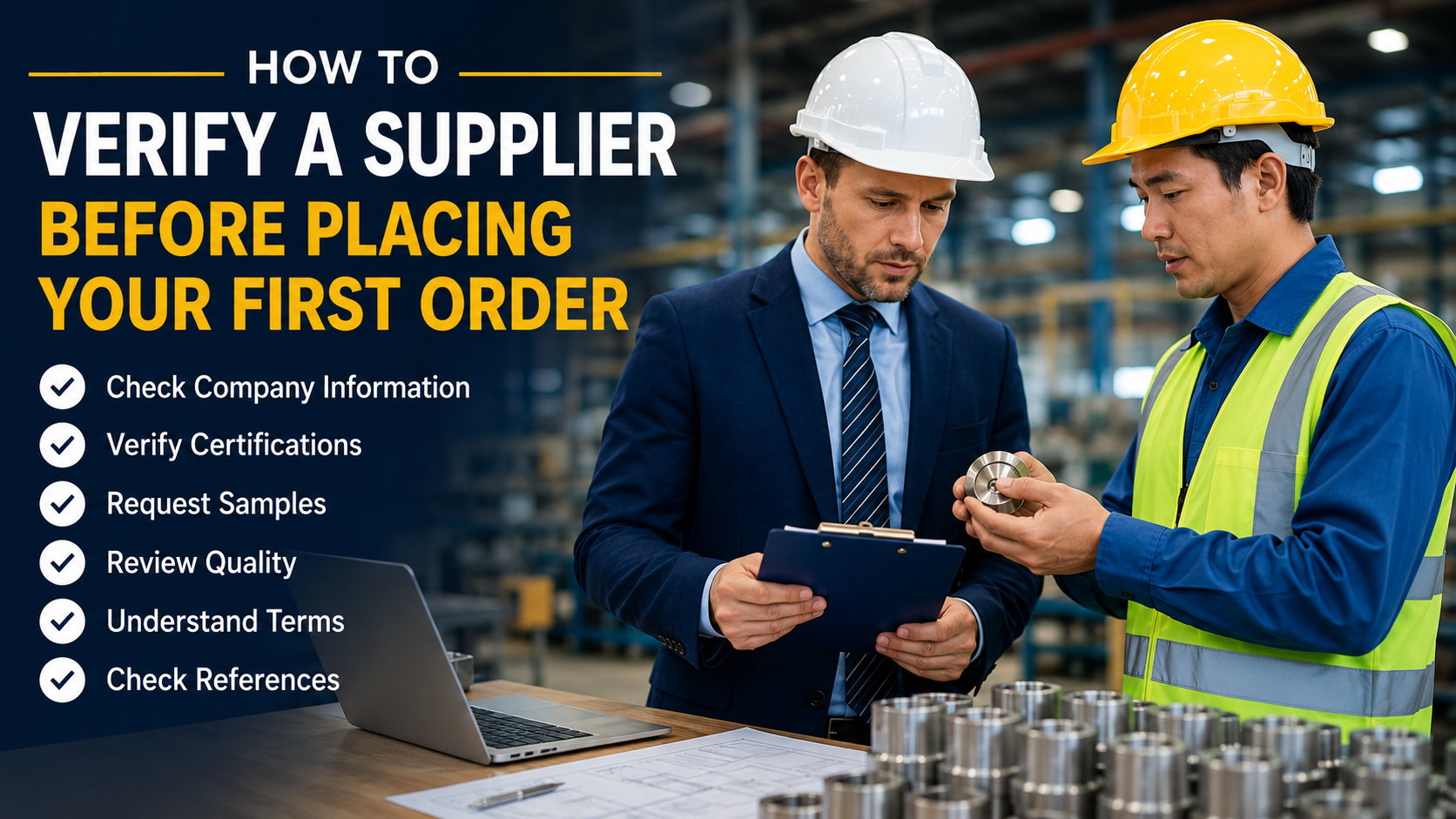
How to Verify a Supplier Before Placing Your First B2B Order
Learn how to verify a B2B supplier before placing your first order. This practical guide covers company verification, product quality, certifications, samples, payment terms, references, and common supplier red flags.
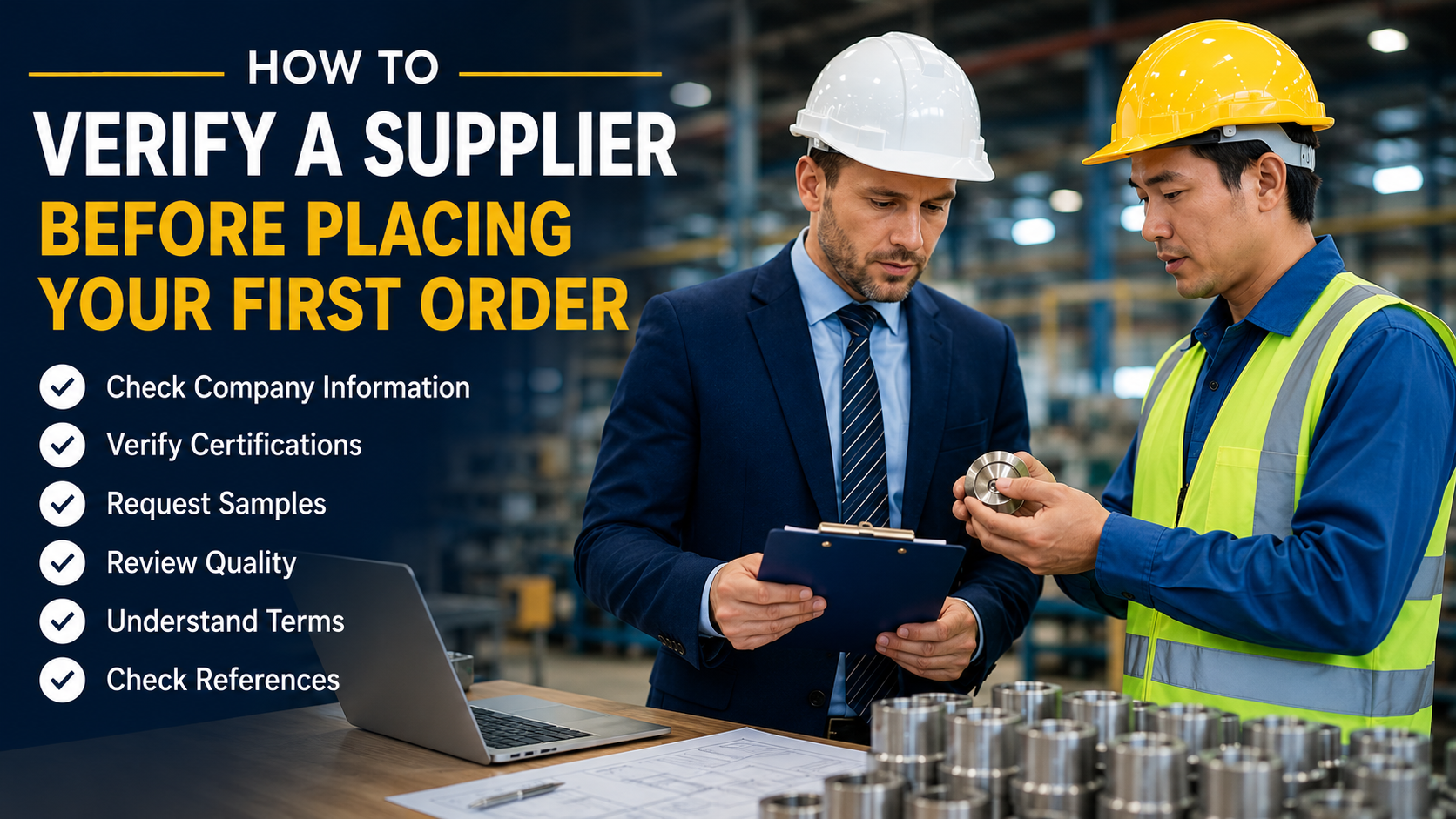
Finding the right supplier is one of the most important steps in successful B2B sourcing. A supplier may offer attractive prices and professional product listings, but buyers should verify the company, product quality, business credentials, and transaction terms before committing to a large order.
Whether you are sourcing from a manufacturer, wholesaler, exporter, or trading company, proper supplier verification can reduce the risk of poor-quality products, shipment delays, payment problems, and costly disputes.
Here are the key steps every B2B buyer should take before placing a first order.
1. Check the Supplier's Company Information
Start by reviewing the supplier's basic business information. Look for the company name, business address, website, contact information, years in business, product categories, and manufacturing or trading capabilities.
The information provided by the supplier should be consistent across its website, business profiles, catalogs, quotations, invoices, and other documents.
For international transactions, buyers should conduct appropriate due diligence on potential business partners. The U.S. International Trade Administration, for example, recommends researching company and partner risk before entering into an international agreement.
2. Confirm Whether the Company Is a Manufacturer or Trading Company
Not every supplier is a direct manufacturer. Some companies operate as wholesalers, distributors, exporters, or trading companies.
This is not necessarily a problem, but buyers should understand who they are purchasing from.
Ask questions such as:
- Are you the manufacturer or a trading company?
- Where is the factory located?
- What products do you manufacture?
- What is your production capacity?
- Can you provide factory photos or videos?
- Do you support OEM or private-label production?
- What is your minimum order quantity?
Knowing the supplier's actual role helps buyers evaluate pricing, production control, customization options, and communication.

3. Request Product Specifications
Never rely only on product photographs or a short product description.
Request detailed specifications before ordering. Depending on the product, these may include:
- Materials
- Dimensions
- Weight
- Technical specifications
- Performance requirements
- Packaging details
- Available colors or models
- Product certifications
- Warranty information
- Minimum order quantity
- Production lead time
Make sure the specifications in the quotation match the specifications you actually require.
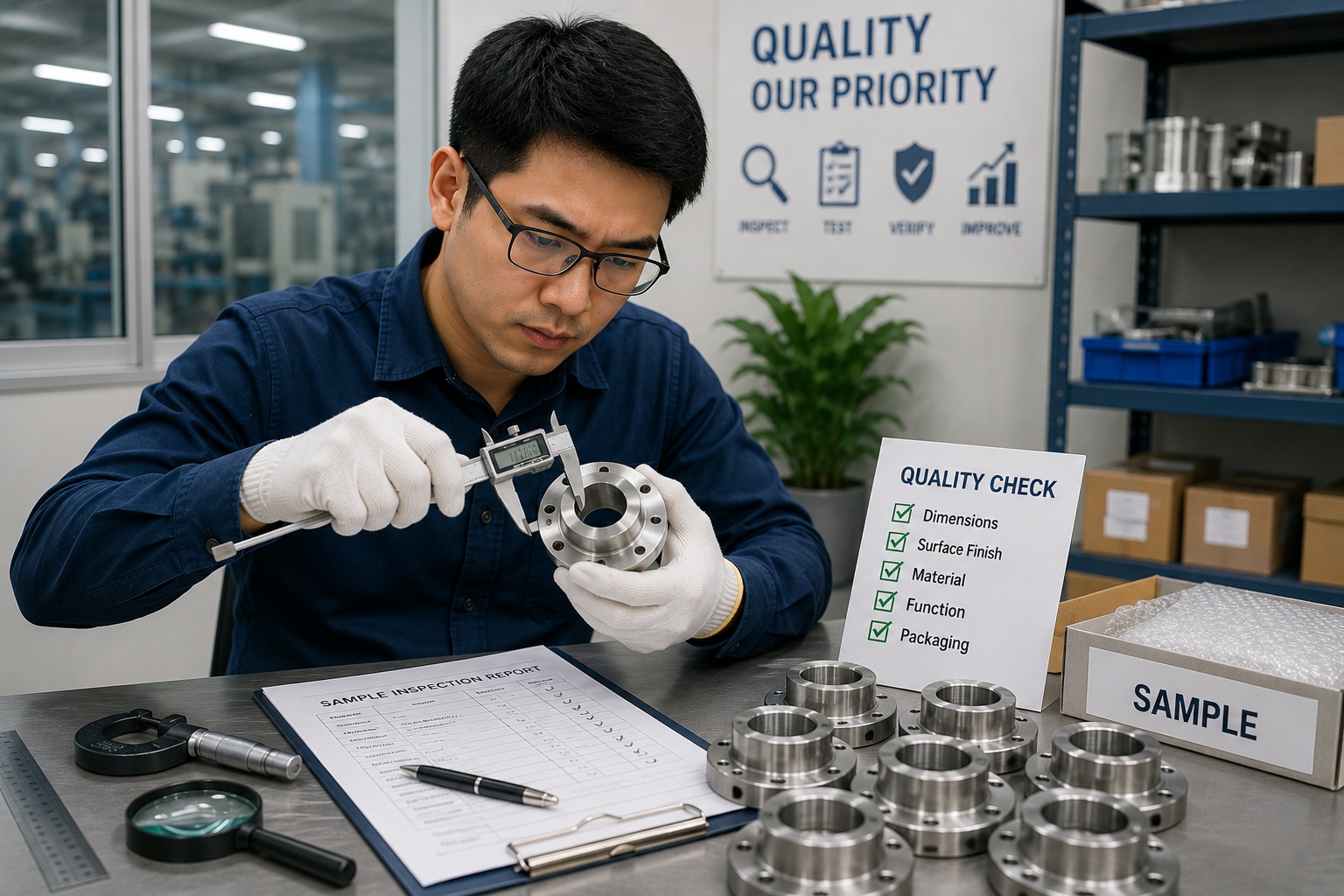
4. Ask for Samples Before a Large Order
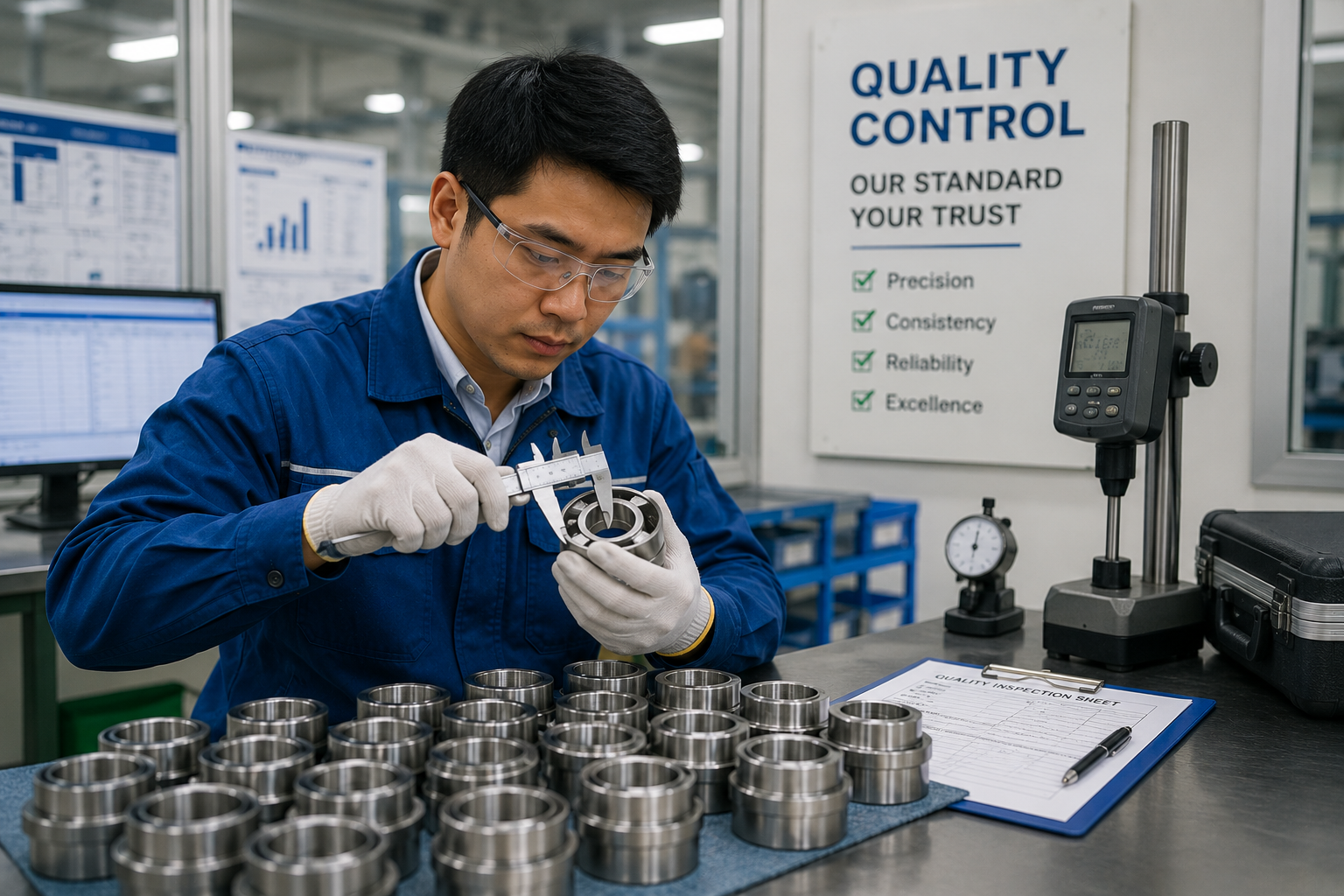
A sample can reveal information that cannot be determined from photographs.
If practical, request a product sample before placing a large purchase order. Evaluate the material, workmanship, dimensions, packaging, labeling, functionality, and overall quality.
For customized products, provide the supplier with clear specifications and confirm exactly what will be produced before approving mass production.
5. Check Quality Management and Certifications
Certifications can provide additional confidence, but buyers should verify that the certification is relevant to the supplier, product, facility, and required scope.
ISO explains that ISO 9001 is a quality-management standard and that supplier selection can include requirements for purchasing information, approvals, monitoring, and inspections.
If a supplier claims ISO certification or another industry certification, ask for the certificate details and verify the issuing organization where appropriate. Certification should complement—not replace—your own product and supplier checks.
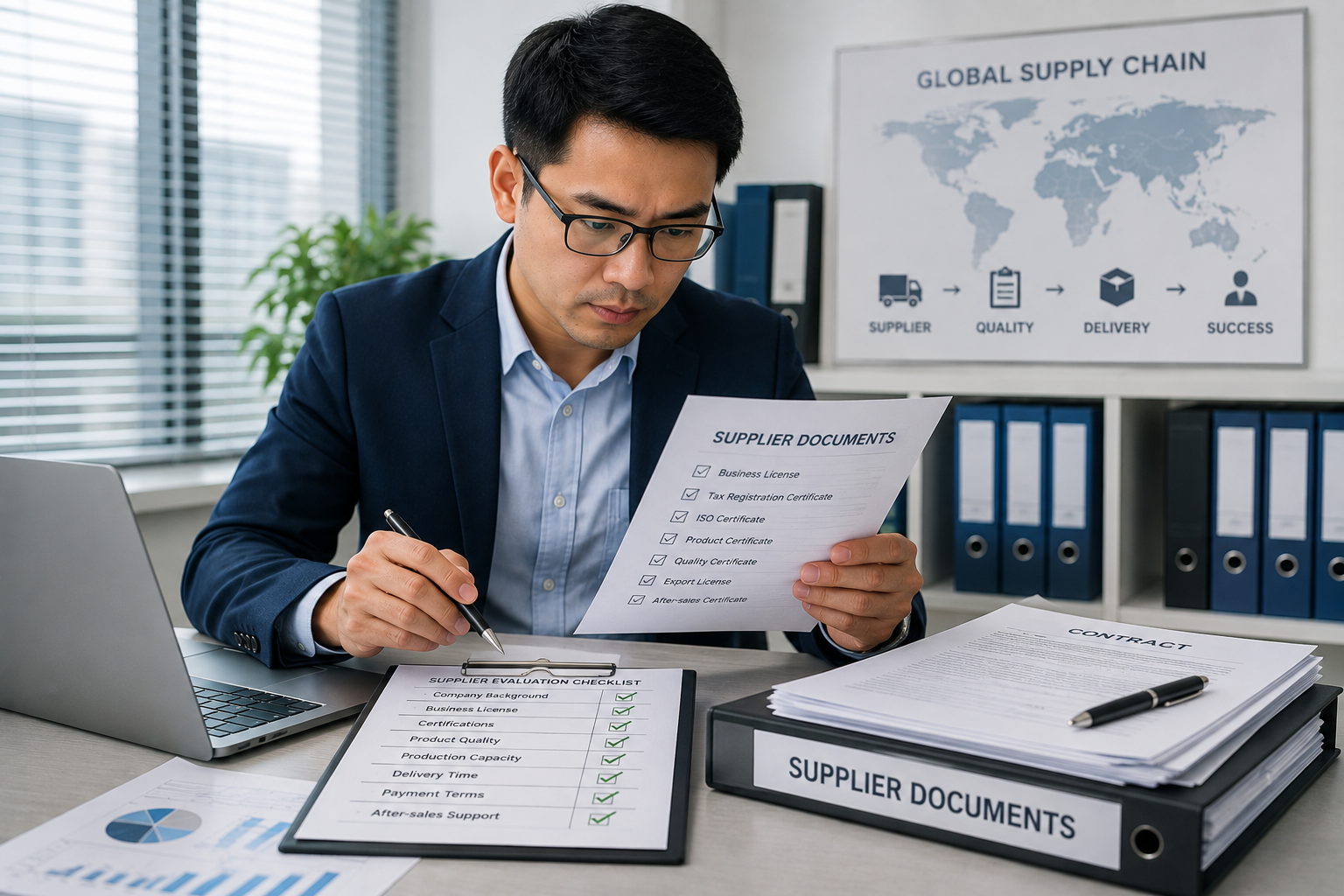
6. Compare Several Suppliers
Avoid selecting a supplier based solely on the lowest quotation.
Compare at least several qualified suppliers based on:
FactorWhat to CheckPriceUnit price, tooling, packaging and other chargesMOQMinimum order quantityQualityMaterials, specifications and inspection processLead TimeProduction and shipping scheduleCapacityAbility to handle your expected volumeCommunicationResponse speed and clarityPayment TermsDeposit, balance and accepted methodsCertificationsRelevant and verifiable credentialsAfter-Sales SupportWarranty and problem-resolution process
The cheapest supplier is not always the lowest-cost supplier once quality issues, delays, rejected products, or additional shipping expenses are considered.
7. Verify Payment and Contract Terms
Before sending money, make sure the quotation, purchase order, invoice, and contract clearly define the transaction.
Important points include:
- Product specifications
- Quantity
- Unit price
- Total order value
- Currency
- Payment schedule
- Delivery terms
- Packaging requirements
- Inspection requirements
- Warranty terms
- Replacement or refund conditions
- Dispute-resolution arrangements
For larger transactions, buyers should consider obtaining appropriate professional or legal advice, especially when dealing with unfamiliar international suppliers.
8. Watch for Supplier Red Flags
Be cautious when a supplier:
- Refuses to provide basic company information
- Gives inconsistent company details
- Pressures you to pay immediately
- Offers a price far below the normal market range without a clear reason
- Refuses reasonable product verification
- Changes bank-account information unexpectedly
- Avoids written specifications
- Cannot clearly explain production or delivery arrangements
- Makes certification claims that cannot be verified
One warning sign alone does not necessarily prove that a supplier is unreliable. However, multiple inconsistencies should trigger additional due diligence.
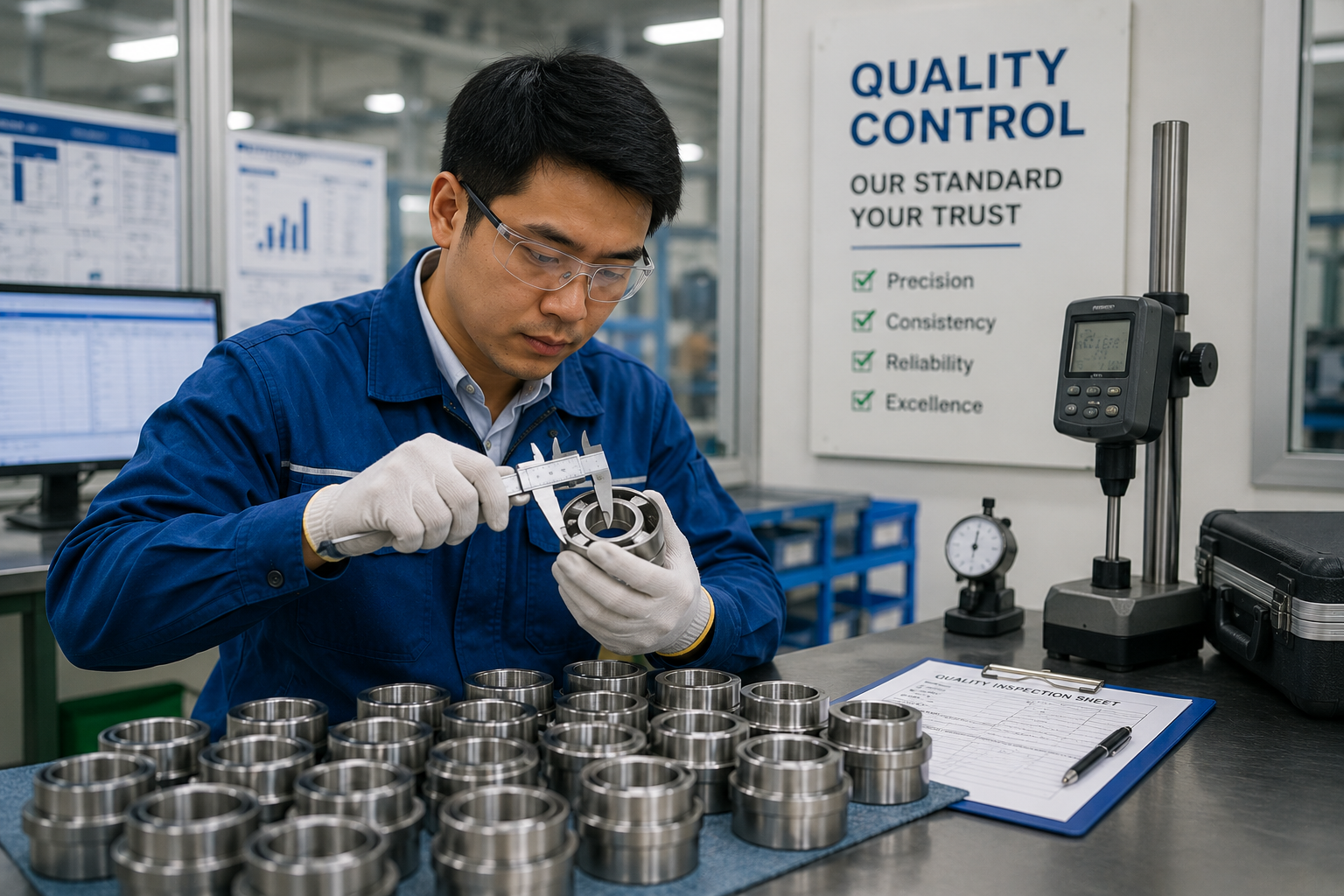
9. Consider a Pre-Shipment Inspection
For larger orders, an independent inspection before shipment can be worthwhile.
An inspection may check product quantity, dimensions, appearance, workmanship, packaging, labeling, and other agreed requirements.
The inspection criteria should be established before production or shipment so both buyer and supplier understand what constitutes an acceptable order.

10. Build a Long-Term Supplier Relationship
Supplier verification should not end after the first successful order.
Track supplier performance over time, including:
- On-time delivery
- Product quality
- Response time
- Defect rates
- Documentation accuracy
- Packaging quality
- Complaint handling
- Pricing consistency
A supplier that consistently meets expectations can become a valuable long-term business partner.
Conclusion
Choosing a B2B supplier should involve more than comparing product prices. Buyers should verify company information, understand the supplier's business role, review specifications, request samples, check relevant certifications, compare multiple suppliers, establish clear payment and delivery terms, and watch for warning signs.
Thorough supplier verification takes additional time at the beginning, but it can help buyers make more informed purchasing decisions and build stronger international supply relationships.
B2BItem helps buyers discover products and suppliers across a wide range of industries. Use supplier information, product details, and direct communication as starting points for your own procurement due diligence.
Gallery
References & Sources
- International Trade Administration – Perform Due Diligence Trade.gov Due Diligence Guide
- International Trade Administration – Company and Partner Risk Trade.gov Company and Partner Risk Guide
- ISO – ISO 9001 in the Supply Chain ISO 9001 in the Supply Chain
About the Author
B2BItem is a B2B sourcing platform connecting buyers with suppliers, manufacturers, wholesalers, exporters, and service providers across multiple industries. Our goal is to make business sourcing easier by helping buyers discover relevant products and potential suppliers.